

Front desk and staffing rules differ by ward
Under the national rules, a facility can operate without a front desk (genkan choba) and without staff on site if it has cameras and a system for staff to reach the facility when needed. Wards can set stricter standards by ordinance, and 2026 was the year many wards tightened them.
| Ward | Front desk and staffing | From when |
|---|---|---|
| Chiyoda City | Staff on site during operating hours, a front desk (genkan choba), and at least 200 m² of total guest room floor area (also applies to simple lodging (kan'i shukusho)) | Applications filed on or after 1 July 2026 |
| Chuo City | Staff on site in the facility and a front desk (also applies to simple lodging) | Confirmed in the ordinance in force since January 2022 |
| Minato City | No additional ordinance requirement found. A front desk is the rule, but alternative equipment accepted under the national rules is also allowed | — |
| Shinjuku City | Currently, without a front desk, staff must be able to arrive within 10 minutes and be stationed at a monitoring location. The draft amendment requires over 200 m², a front desk and staff on site (existing facilities excluded) | Draft amendment planned to take effect on 1 June 2027 (not yet passed) |
| Shibuya City | Staff on site in the facility or on the same or an adjoining lot | Applications filed on or after 1 July 2026 |
| Bunkyo City | Staff on site in the facility, a front desk, and separation from residential units | In force from 7 January 2027 |
| Shinagawa City | No additional ordinance requirement found (staff on site at simple lodging is "desirable") | — |
| Toshima City | Staff on site in the facility and a front desk (also applies to simple lodging) | In force from 16 December 2026 (facilities already licensed or with applications pending are excluded) |
| Taito City | Staff on site during operating hours, checks on people coming and going, and separation from residences | Already in force |
| Sumida City | Staff on site during operating hours | Applications filed on or after 1 April 2026 |
| Koto City | Staff must work in the facility while guests are staying. The exception allowing staff who can reach the facility within 10 minutes instead was removed | In force from 1 July 2026 (facilities already licensed or with applications pending are excluded) |
| Ota City | The draft amendment requires staff on site, a front desk and a management office | Planned to take effect in the first half of fiscal 2027 |
Sumida City and Shibuya City state that taking over a license is exempt from the sign and neighbor-briefing steps. However, we have found no ward document that states which standards apply if you buy an operating hotel and obtain a new license, take over the license through a business transfer, or buy the company's shares.
Most wards do not apply the new standards to facilities that were already licensed or had applications pending when the amendment took effect. Check with the ward's public health center before signing a contract.
Where foreign travelers go
These are the top places in a Tokyo Metropolitan Government survey that asks foreign travelers leaving Japan from Haneda and Narita airports where they visited in Tokyo (2025 survey, published 30 June 2026, with answers from 16,008 people who visited Tokyo).
- Shibuya
- 60.3%
- Ginza
- 54.1%
- Tokyo Station area, Marunouchi and Nihonbashi
- 51.8%
- Shinjuku and Okubo
- 50.8%
- Asakusa
- 46.9%
- Akihabara
- 45.1%
| Travelers from | Top place |
|---|---|
| South Korea, Thailand, Singapore, Malaysia, the United States | Shibuya |
| Taiwan | Tokyo Station area |
| Hong Kong | Shinjuku and Okubo |
| Mainland China | Ginza (62.3%) |
The place names in the survey are tourist-area groupings and do not match ward boundaries. The survey asks where people visited, so it does not show where they stayed or how full hotels were.
What each area is like
Below, we summarize visitor numbers, lodging facilities and ward rules area by area. Facility numbers are from Tokyo Metropolitan Government statistics as of 31 March 2024.
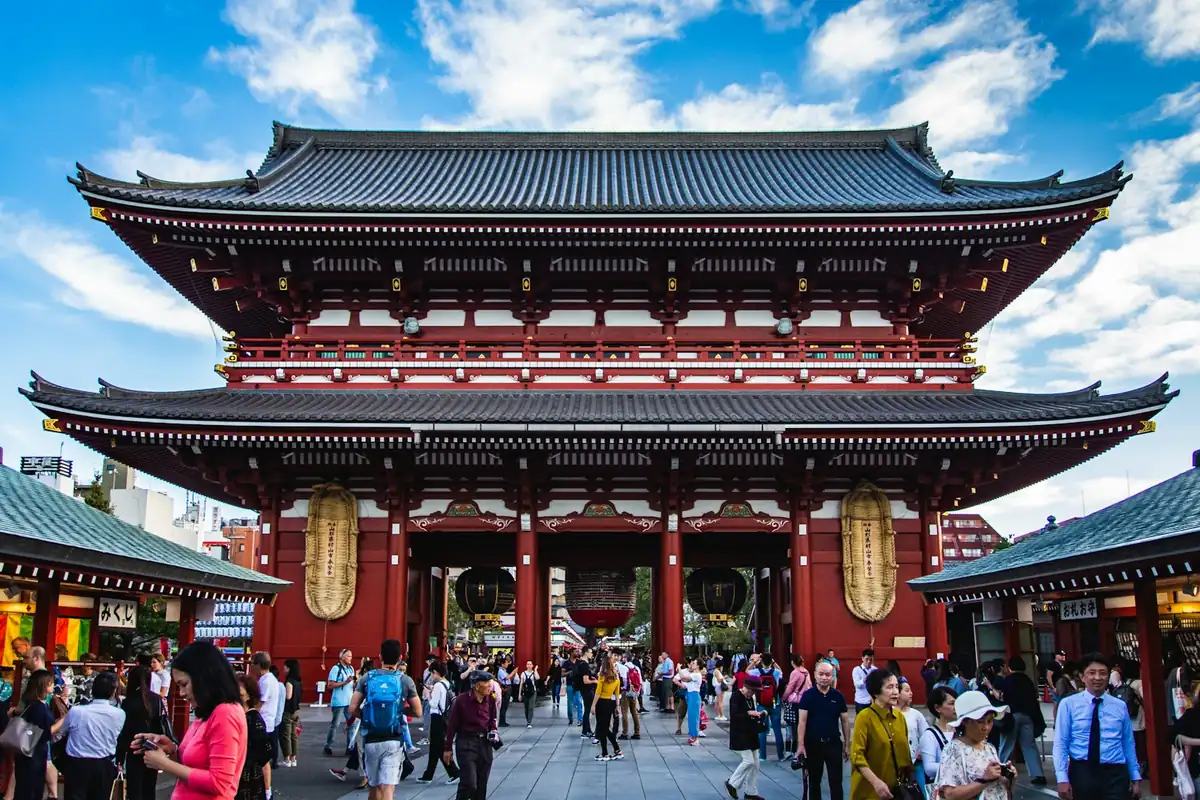
Asakusa and Ueno (Taito City)
With 593 ryokan and hotel business facilities and 207 simple lodging facilities, Taito City has the most of both among the 12 wards. Asakusa was visited by 46.9% of travelers and Ueno by 36.9%. The ward ordinance requires staff on site during operating hours and separation from residences.
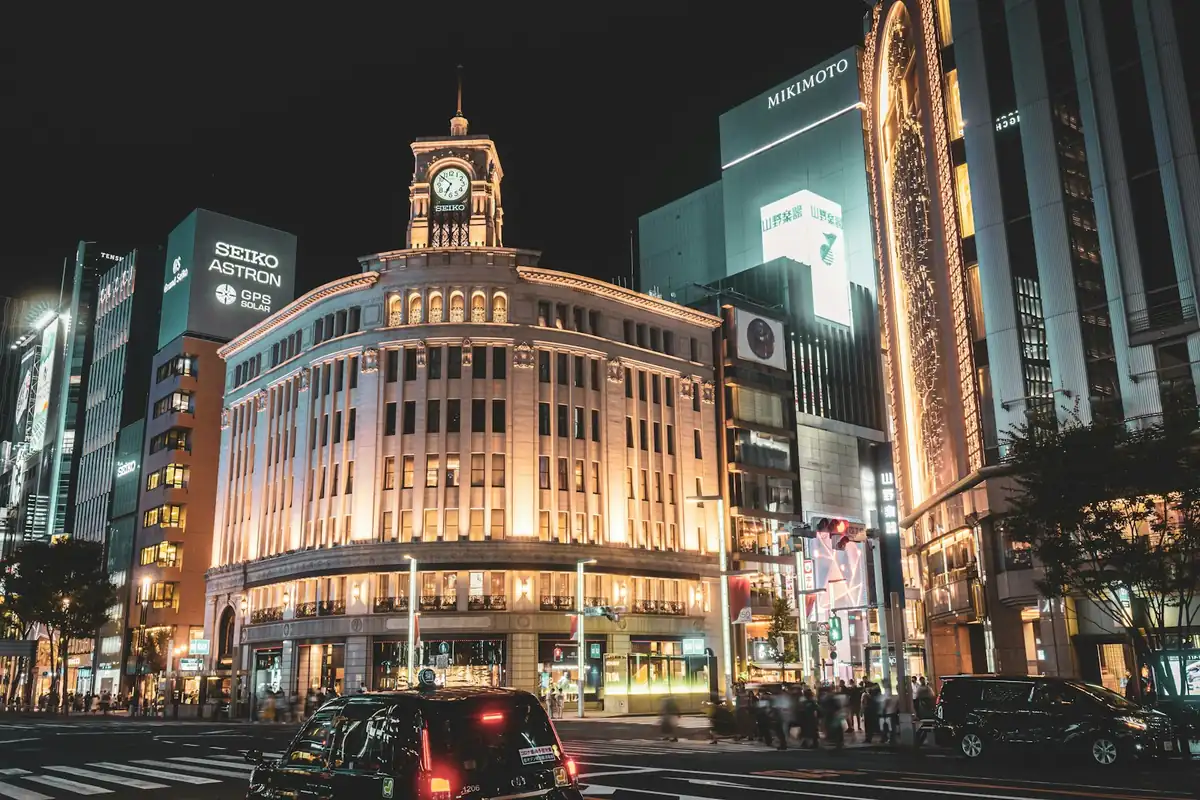
Ginza and Nihonbashi (Chuo City)
Ginza was visited by 54.1% of travelers and is the top place for travelers from mainland China. With 25,116 rooms in 199 facilities, the ward has many larger hotels. Its ordinance requires a front desk and staff on site in the facility, and simple lodging also needs a front desk.
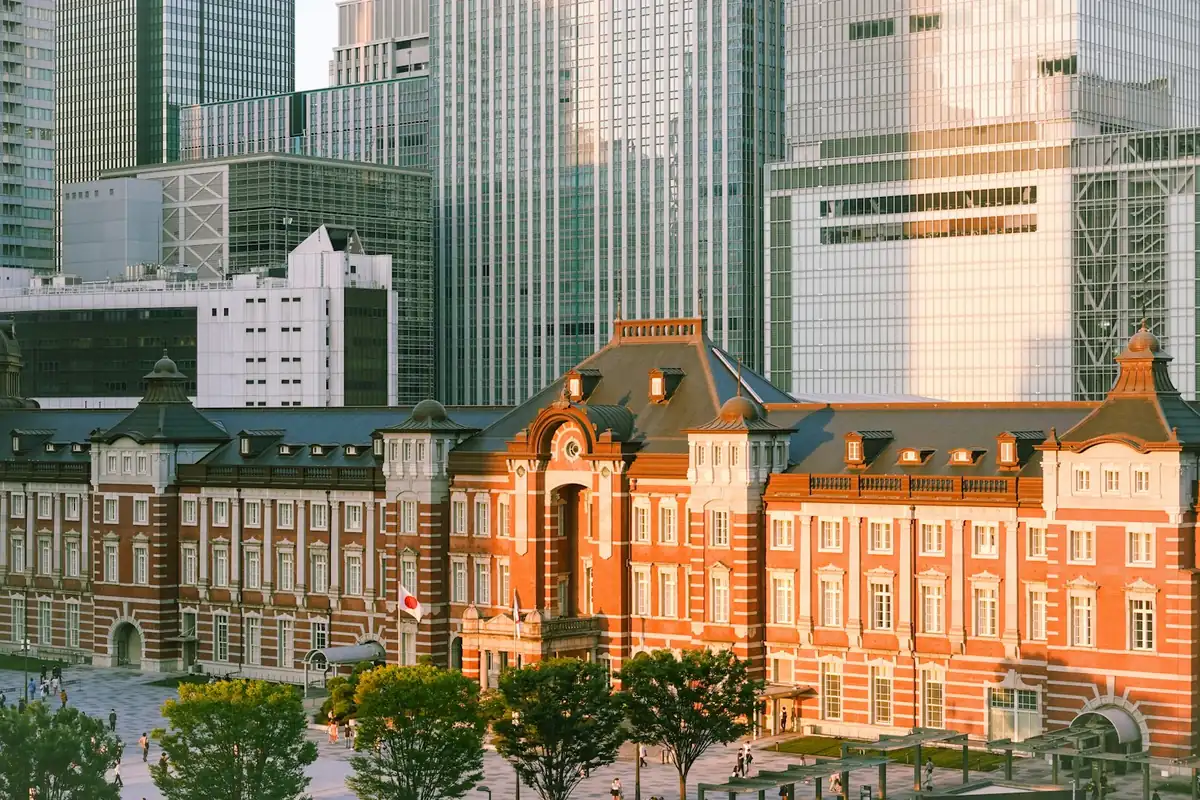
Tokyo Station and Akihabara (Chiyoda City)
The Tokyo Station area was visited by 51.8% of travelers and Akihabara by 45.1%. Applications filed on or after 1 July 2026 need staff on site during operating hours, a front desk and at least 200 m² of total guest room floor area, and this also applies to simple lodging. Small buildings drop out of the running.
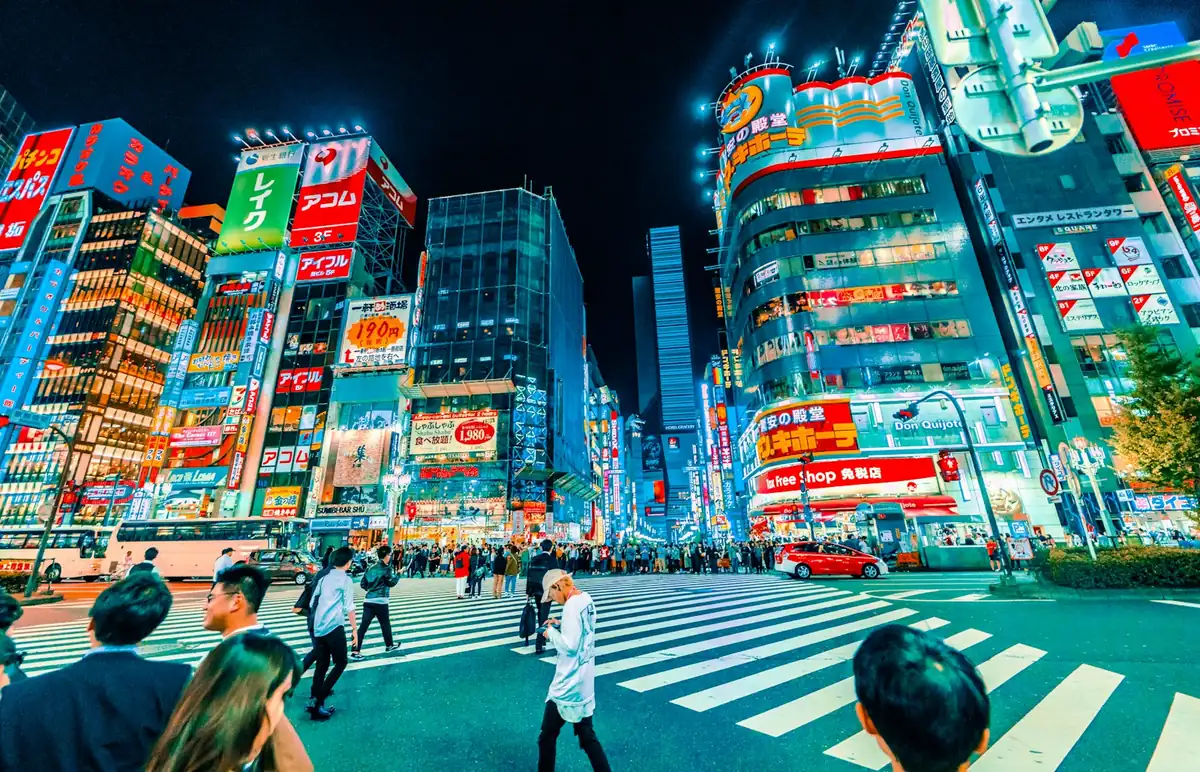
Shinjuku
Shinjuku and Okubo were visited by 50.8% of travelers, the top place for travelers from Hong Kong. There are 428 facilities, up 228 over the last three years. The ward has published a draft amendment requiring over 200 m², a front desk and staff on site (existing facilities excluded, planned to take effect on 1 June 2027).
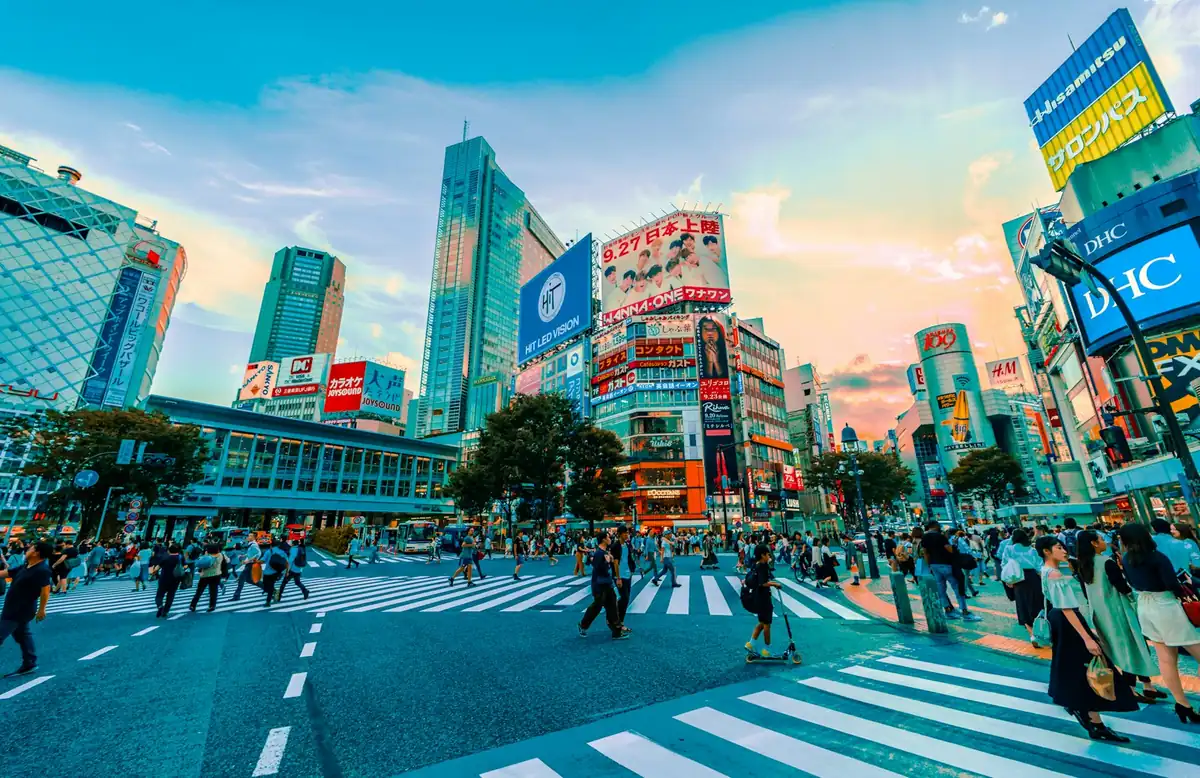
Shibuya
Shibuya is the most visited place, at 60.3%. With 7,715 rooms in 344 facilities, the ward has many small facilities. Applications filed on or after 1 July 2026 need staff on site, a sign posted from 60 days before the application, and a briefing session for neighbors. The sign and the briefing session are not required when you obtain approval to take over an existing license.
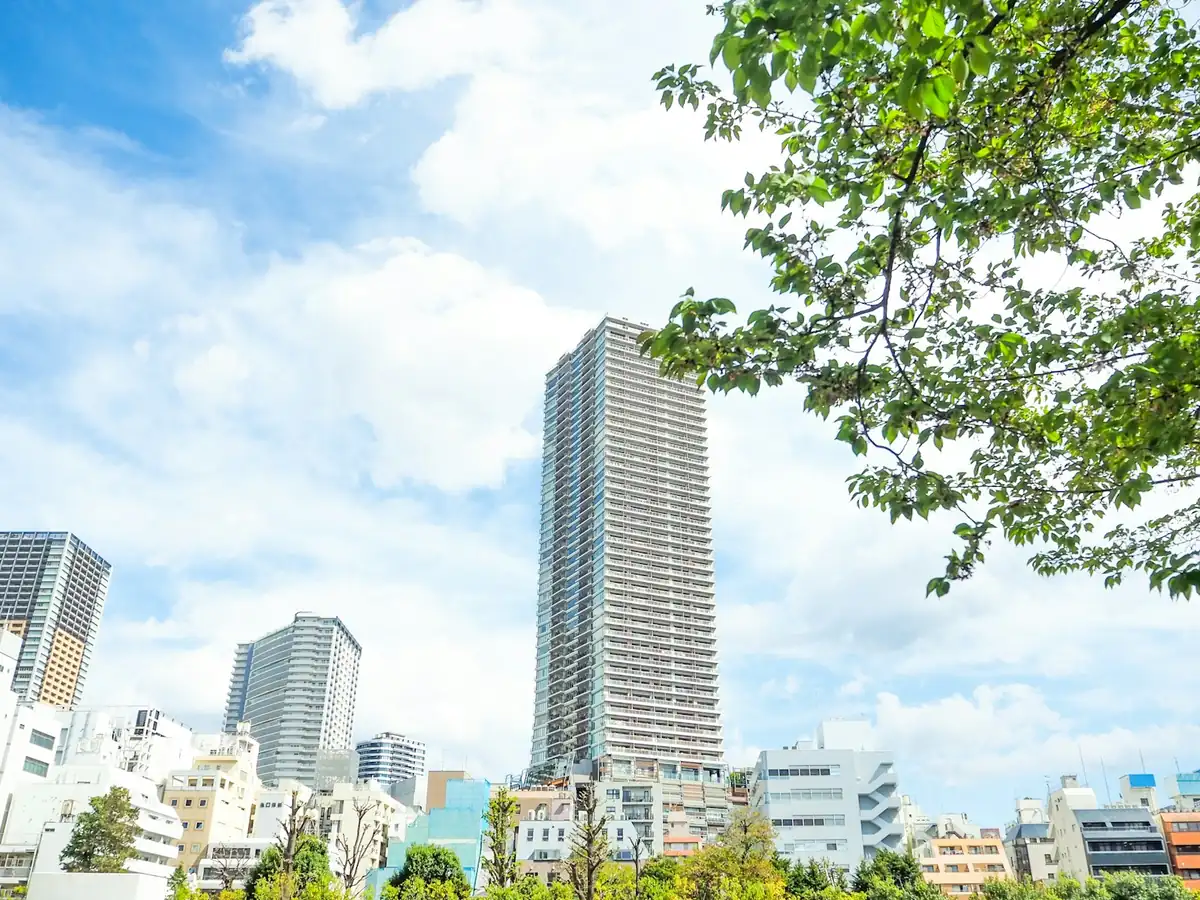
Ikebukuro (Toshima City)
Ikebukuro was visited by 26.5% of travelers. The ward has 385 facilities with 13,173 rooms. From 16 December 2026, minpaku (private lodging under the Private Lodging Business Act) will be limited to the spring, summer and winter school holidays throughout the ward, and new minpaku will not be allowed to start in residential areas and some other zones. From the same day, the hotel business also needs staff on site and a front desk (facilities licensed or applied for before that day are excluded).
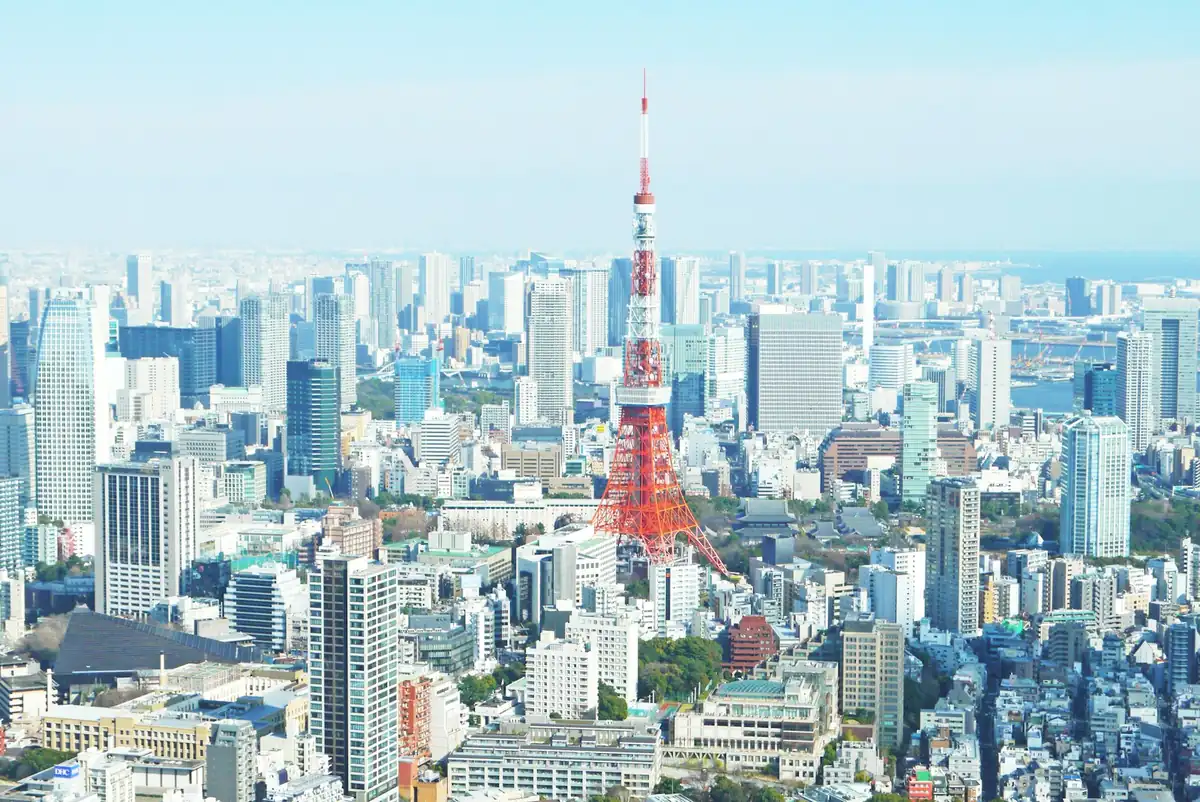
Roppongi and Akasaka (Minato City)
Roppongi and Akasaka were visited by 23.0% of travelers. With 31,758 guest rooms, the most among the 12 wards, Minato City is where large hotels gather. We have not found an additional staffing requirement in its ordinance, but its guidelines require notice to neighbors and a posted sign at least 20 days before the application.
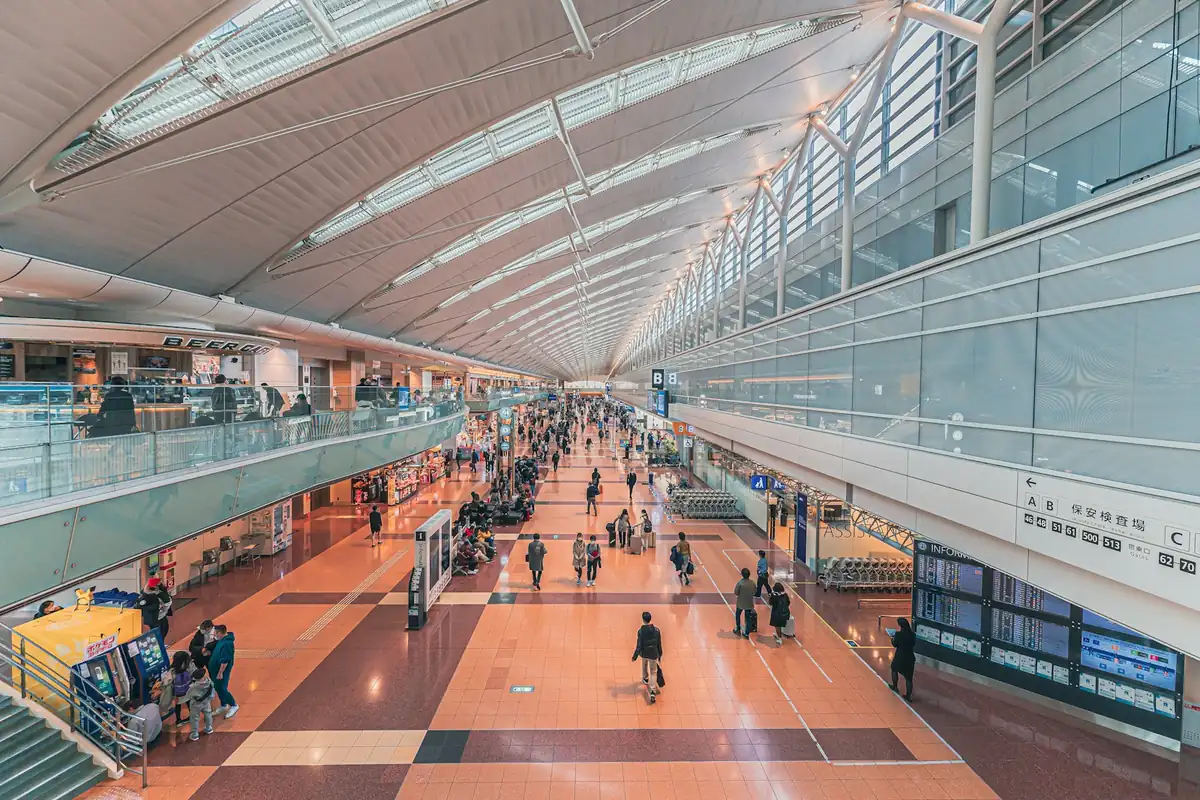
Shinagawa and Kamata (Shinagawa City and Ota City)
This area is close to Haneda Airport. Shinagawa City has 133 facilities with 8,553 rooms, and Ota City has 90 facilities with 10,435 rooms. We have not found an additional ordinance requirement in Shinagawa City. Ota City plans an amendment requiring staff on site and a front desk in the first half of fiscal 2027.
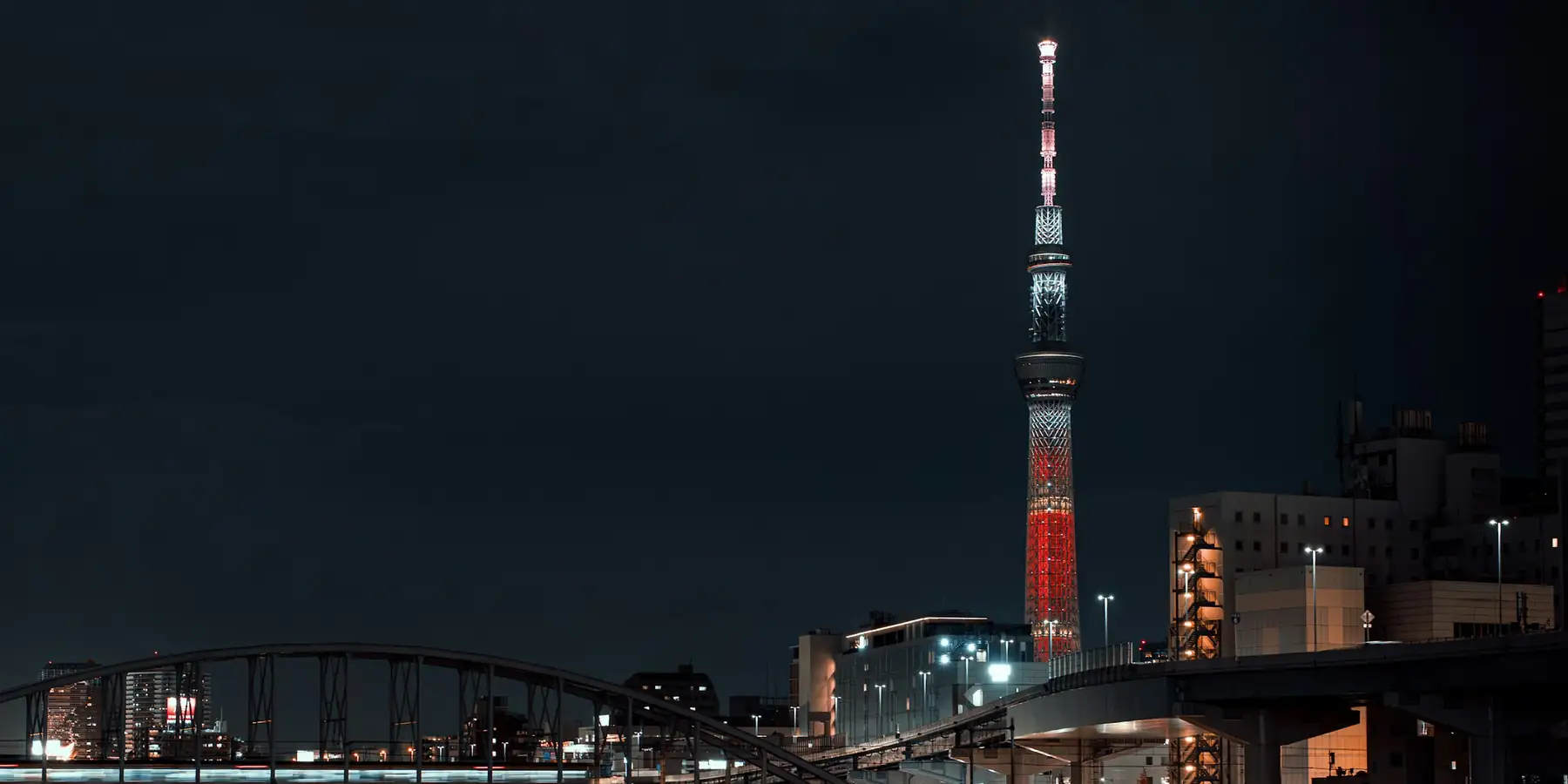
Ryogoku and Oshiage (Sumida City)
With 6,703 rooms in 418 facilities, Sumida City has many small facilities. Applications filed on or after 1 April 2026 need staff on site during operating hours, and before applying you hold a briefing session or visit each household within 20 m of the site.
Number of lodging facilities by ward
| Ward | Ryokan and hotel business | Guest rooms | Simple lodging |
|---|---|---|---|
| Chiyoda City | 133 | 17,361 | 17 |
| Chuo City | 199 | 25,116 | 17 |
| Minato City | 303 | 31,758 | 46 |
| Shinjuku City | 428 | 23,605 | 53 |
| Bunkyo City | 40 | 3,501 | 7 |
| Taito City | 593 | 22,929 | 207 |
| Sumida City | 418 | 6,703 | 45 |
| Koto City | 147 | 10,753 | 15 |
| Shinagawa City | 133 | 8,553 | 22 |
| Ota City | 90 | 10,435 | 24 |
| Shibuya City | 344 | 7,715 | 17 |
| Toshima City | 385 | 13,173 | 31 |
The table shows that Sumida City has many small places to stay and Chuo City has many large hotels. The numbers are more than two and a half years old, and facilities have kept increasing since.
- Facilities added in Shinjuku City over the last three years
- 228
- New licenses issued in Koto City in fiscal 2024
- 81
Do not read a low facility count as a sign of little competition.
Ward limits if you run the property as a minpaku
Under the national rules, minpaku under the Private Lodging Business Act can operate up to 180 days a year. Wards can further restrict the areas and periods by ordinance.
| Ward | Main limits |
|---|---|
| Chiyoda City | In densely populated areas, education districts (bunkyo chiku) and some other areas, minpaku without a resident host is not allowed at any time of year (notifications filed on or after 1 July 2026) |
| Chuo City | Throughout the ward, allowed only from noon Saturday to noon Monday |
| Minato City | In exclusively residential zones and education districts, minpaku without a resident host is allowed only during the spring, summer and winter school holidays |
| Shinjuku City | In exclusively residential zones, allowed only from noon Friday to noon Monday. The draft amendment would make this stricter |
| Shibuya City | In residential areas and education districts, allowed only about 63 days a year (notifications filed on or after 1 July 2026) |
| Bunkyo City | From 7 January 2027, throughout the ward, allowed only from noon Friday to noon Sunday |
| Shinagawa City | In commercial and neighborhood commercial zones, allowed up to 180 days a year; elsewhere, allowed only from noon Saturday to noon Monday |
| Toshima City | From 16 December 2026, throughout the ward, allowed only during the spring, summer and winter school holidays (120 days a year). New minpaku cannot start in residential areas |
| Taito City | For notifications filed on or after 1 October 2026, allowed only on Saturdays and Sundays |
| Sumida City | For notifications filed on or after 1 April 2026, allowed only from noon Friday to noon Sunday while the host is away |
| Koto City | Throughout the ward, allowed only from noon Saturday to noon Monday |
| Ota City | In exclusively residential zones and some other zones, minpaku without a resident host is not allowed. The draft amendment would further restrict new minpaku |
Look up the zoning district of a candidate site
Public maps give a rough idea of whether a candidate address is in a zoning district where a hotel or ryokan is allowed.
- The Tokyo Metropolitan Government Bureau of Urban Development's online urban planning information service shows zoning districts on a map.
- The Ministry of Land, Infrastructure, Transport and Tourism's Real Estate Information Library can also overlay zoning districts on a map.
- Both maps show only approximate locations. Confirm the official boundaries with the ward's urban planning section.
- In education districts, a change of use to a hotel or ryokan is generally not allowed, and the district also affects minpaku limits. Confirm at the ward office.
Which zoning districts allow a hotel, and what to check in the building, are covered in our guide to converting a building or house into a hotel.
What to decide before you choose an area
What kind of lodging
Different rules apply to the ryokan and hotel business, simple lodging and minpaku. Some wards, such as Chiyoda City, require at least 200 m² even for simple lodging.
Whether to obtain a new license or buy an operating hotel
If you obtain a new license, all the current rules apply. If you buy an operating hotel, also check with the ward's public health center which standards apply.
How to staff the site
In wards that require staff on site, decide who will be at the facility. Put either the payroll for those staff or the fee of an operating company that takes on everything, staffing included, into the income and cost forecast you make before buying.
Whether a school is nearby
If the site is within roughly 100 m of a school or similar facility, the ward consults the relevant bodies before granting a license. Taito City applies a distance of 110 m.
Questions
Are there wards where you can operate without a front desk or staff on site?
Under the national rules, staff on site are not required if there are cameras and staff who can reach the facility quickly when needed. At the time of writing, we had not found an additional ordinance requirement in Minato City or Shinagawa City, but wards may still ask for one through guidelines or practice, and amendments keep coming. Check with the ward's public health center for each property.
If I buy an operating hotel, do the new rules not apply?
Most wards exclude facilities that were already licensed or had applications pending at the time of the amendment from the new standards. However, we have not found any ward document that states how they treat a new license obtained after the purchase, a license taken over, or a purchase of shares. Check before signing a contract. Taking over a license is explained in our guide to the license when you buy an operating hotel.
Should I pick the area with the most travelers?
The survey of places travelers visited does not show where they stayed or occupancy rates. We look at the purchase price, the building, the ward rules and the operating costs together with visitor numbers.
Can I start a special-zone minpaku in Ota City now?
As of November 2026, the ward has not announced that it has stopped accepting new applications. However, it has said it will review its minpaku policy, special-zone minpaku included, and it notes that pre-application consultations are busy. Check the latest situation with Ota City.


